Backyard Makeover Case Study in Chesapeake, VA: yard grading Chesapeake + drains that fix soggy lawns
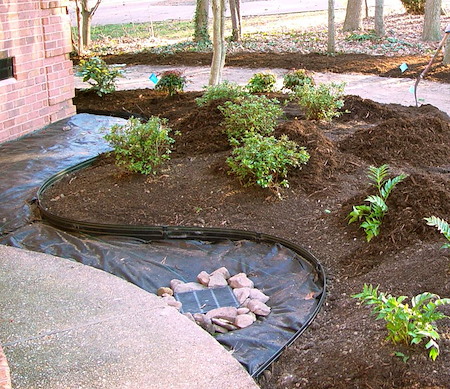
Soggy lawn, spongy soil, and puddles after every storm. That was the scene in a typical Chesapeake backyard until a smart combo of precise grading and targeted drains changed everything. In this case study, we walk through how Winesett Nursery and Landscaping approaches a wet yard in our coastal climate and why pairing careful grading with the right drainage systems solves the root problem instead of chasing symptoms.
Homeowners search for “yard grading Chesapeake” when they are fed up with mud and soft spots. If that is you, keep reading for a real-world plan that fits neighborhoods like Greenbrier, Great Bridge, Indian River, and Grassfield.
The Starting Point: What We Found On the Site Walk
This Chesapeake yard had a gentle low spot near the patio, compacted fill dirt along the fence, and three downspouts dumping water right where the lawn already stayed wet. After nor’easters or summer cloudbursts, the water had nowhere to go. The family wanted dry grass for a play set and a cleaner edge along their paver walkway.
- Soils were uneven, holding water on the lawn side of the patio.
- Downspouts discharged at grade, creating ruts and washouts.
- Existing turf was thin from repeated saturation and foot traffic.
We mapped elevations with a level and flagged a path for water to leave the lawn without crossing footpaths. The plan had to respect the flat character of many Chesapeake lots while creating reliable surface flow.
The Grading Game Plan: Gentle Slopes That Move Water
Big cuts were not needed. Instead, our crew reshaped the top few inches to create consistent, positive fall away from the house and toward a discreet collection point. Think of it like ironing a shirt: small, smooth changes that remove the wrinkles where water likes to sit.
Key choices included a shallow swale near the fence and a subtle regrade around the patio. That raises the common question, “swale vs. regrade?” The answer here was both. The regrade fixed ponding near hardscapes, while the swale gave water a safe lane to run.
Never grade toward the foundation. Even a slight back pitch can push water where you do not want it. Our layout kept a steady fall away from the home from every angle.
Downspout Tie-Ins: Capturing Roof Water Before It Soaks the Lawn
Roof runoff often doubles the load on a backyard. We installed downspout tie-ins that carry water underground to a solid outlet, which protects the new slopes and the lawn. In this project, two rear downspouts were routed to a catch basin placed at the end of the swale. The third downspout tied into the same line further upstream to keep everything tidy.
By moving roof water underground, the surface stayed dry and usable. That kept mulch from washing out and stopped the “river” that used to cut across the grass during heavy rain.
Choosing Drains For Chesapeake Yards: What Works And Why
Every yard is different, but the menu of drainage tools is pretty similar across Hampton Roads. The trick is matching the tool to the problem and the soil.
- French drains intercept groundwater in persistently wet strips and move it to daylight or a basin.
- Catch basins collect surface water from swales and low points without inviting debris into the line.
- Solid conveyance pipe handles roof water from tie-ins without leaking into the yard.
For this yard, a short french drain along the soggy fence line connected to the catch basin that also received the downspout lines. That single outlet handled both groundwater and roof water, which kept the layout clean and maintenance simple. If you want to learn how hardscape specs prevent settling after drainage work, skim this helpful read on paver walkway specs.
Installation Snapshot: Clean, Safe, And Built To Last
Our crew protected nearby beds, laid out utility-safe work corridors, and staged materials where the lawn would recover fastest. Trenches were cut only where needed, then backfilled and compacted in lifts so the lawn would not settle later. Pipe was bedded properly and slopes were verified before cover.
The graded areas received fresh topsoil where needed and were raked smooth to blend seamlessly into surrounding turf. We shaped the swale with soft shoulders so it looks like part of the lawn, not a ditch. The final step was to test everything with hose water to confirm steady flow to the basin and a dry surface within minutes.
Before-And-After Results: Dry Feet And A Cleaner Lawn Edge
Rain used to hang around for days. After the improvements, the water leaves quickly and the surface feels firm again. The patio edge stays cleaner and the play area no longer turns to mush. Mosquito pressure dropped because standing water disappeared from the usual puddle spots.
When grading is finished correctly, hardscapes hold up better too. If you plan a future patio or walkway, good drainage is step one. See how design ties into performance by browsing our landscape design page.
Why This Approach Fits Chesapeake, VA
Much of Chesapeake is flat with a high water table in spots. Neighborhoods like Great Bridge and Deep Creek can feel different from Greenbrier after the same storm because soils and exposure vary street by street. That is why a site walk matters. We tune slopes to your yard and route water to a safe outlet without creating new trouble elsewhere.
If irrigation is part of your landscape, proper drainage helps prevent soggy zones that trick sensors and cause over-watering cycles. For seasonal planning, this local guide to the irrigation start-up and winterization calendar can help you sync watering with our weather.
Common Questions We Hear During Planning
Do we always need a french drain? Not always. Many Chesapeake backyards respond well to a careful regrade and a couple of downspout tie-ins. A short french drain or a catch basin gets added when soils and layout call for it.
Will the swale be obvious? No. Done right, it reads like a wide, gentle dip that blends with the yard. Mowers cross it smoothly, and it disappears into the lawn once grass fills in.
Curious how this ties in with patios and walks you already have? Explore options for durable outdoor spaces on our paver patios page to see how base prep and correct grading protect your investment.
What Homeowners Can Expect After The Work
The first big rain is the moment of truth. Water should travel along the swale or go underground through tie-ins and out the outlet without pooling. The lawn should feel firmer within a week or two as the surface dries and roots settle into their new home.
We design projects so maintenance stays light. Keep the catch basin grate clear of leaves and let the grass grow normally over graded areas. If you ever notice a new puddle forming, it is usually from heavy thatch or a shifted border that can be adjusted quickly.
How We Kept The Project Seamless
Neighbors often worry about mess. Our crews stage materials to protect turf, use boards where traffic is tight, and restore disturbed areas the same day when possible. Communication stays simple: a clear plan and a single point of contact from start to finish. That is how Winesett Nursery and Landscaping turns a soggy problem into a clean, predictable outcome.
Tie your downspouts into a solid pipe whenever possible so roof water cannot undo your grading. It is a small design choice that makes a big difference during back-to-back storms.
Ready For Your Own Plan? Here’s A Smart Way To Start
If you are researching “yard grading Chesapeake,” you are probably tired of mushy lawns and messy edges. The fastest path to a fix is a short visit from our design and drainage team. We will walk the site, confirm where water wants to go, and outline the fewest moves to get it there.
You can read more about how our crew solves wet yards on our dedicated page for drainage systems, including solutions built for Chesapeake and Virginia Beach homes. Many projects are simple once the layout is clear.
Case Study Recap: Grading + Drains That Make Backyards Livable
Here is what made the difference in this Chesapeake yard:
- Right-size the slopes so surface water leaves naturally.
- Use a shallow swale where it blends with mowing and looks natural.
- Capture roof runoff with downspout tie-ins to keep the surface dry.
- Add a basin or short french drain only where persistent moisture remains.
When all four pieces come together, backyards feel bigger, patios stay cleaner, and grass fills in strong. That is the power of a simple, well-sequenced plan.
Talk With A Local Team That Gets Chesapeake Yards
If your backyard in Chesapeake, VA needs help, our team is here to design and build a fix that lasts. Call 757-586-4751 to speak with Winesett Nursery and Landscaping, or start by browsing our approach to drainage systems. When you are ready, we will schedule your site walk and turn puddles into a plan.
Plan grading before you add new sod or pavers. Doing drainage first avoids rework and helps every other feature perform better for years.
Increase Your Home's Value With Our Landscaping Professionalsin the Virginia Beach & Chesapeake Areas