Paver Walkway Specs in Chesapeake, VA: Base, Bedding & Jointing Mistakes to Avoid for paver walkway installers Chesapeake
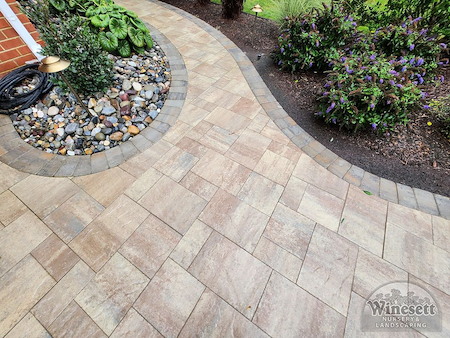
Thinking about a new paver walkway for your home in Chesapeake, VA? The right specs matter. A walkway can look perfect on day one and still fail if the base, bedding, joints, and edges were rushed or guessed. This guide explains what reliable installers check in our coastal clay soils and stormy seasons, and how to spot shortcuts before they turn into dips, weeds, and trip hazards. If you want a design that follows proven methods and fits your yard, explore our paver walkways built by Winesett Nursery and Landscaping.
Comparing contractors? Start with local experience. Our region sees soggy springs, hot summers, and occasional nor’easters. Those swings stress a walkway from the bottom up. If you want a fast way to talk with trusted paver walkway installers in Chesapeake, call 757-586-4751 to speak with the team at Winesett Nursery and Landscaping.
Why Base Prep Matters In Chesapeake
Everything rests on the base. In neighborhoods like Great Bridge, Greenbrier, and Hickory, subsoils can be dense clay that holds water. A well-built walkway uses compacted aggregate that drains and resists movement. Pros also grade for water, sending it away from your home and keeping moisture from sitting under the stones.
Skipping base prep is the number one reason walkways settle, rock underfoot, or crack at the edges. A quick rake-and-lay approach may save time during install, but it trades months of stability for years of repairs. Ask about the depth, material type, and compaction steps the crew will use on your property.
Paver Walkway Installers In Chesapeake: Bedding Layer Rules That Prevent Waves
The bedding layer is a thin cushion between base and pavers. It should be clean, uniform, and compacted. When it is too thick or made from the wrong material, the walkway develops low spots and ridges, especially after heavy summer rain.
- Keep bedding thin and even. Uneven bedding telegraphs into wavy lines and rocking pavers.
- Avoid stone dust and other fines that hold water. These can trap moisture and lead to frost lift in colder snaps.
- Protect the bedding from rain before laying pavers. Saturated bedding becomes mushy and unstable.
Pros in Tidewater watch the forecast and stage work to avoid trapping water under the surface. That patience shows up years later when the walkway still feels solid.
Jointing Sand: Polymeric vs. Plain Sand For Coastal Weather
Jointing locks everything together. Polymeric sand has binders that harden when activated with water. It reduces washout, weed growth, and ant activity, which is helpful with our frequent summer downpours. Plain sand can work in sheltered, low-traffic areas, but it often needs more upkeep and refilling.
Activation is critical. Too little water and the joints stay soft. Too much water and you can wash out the binders. Overwatering polymeric sand can create a crust that flakes later and stains the pavers. A trained crew sweeps, compacts, and wets in measured passes to seat the sand without flooding it.
Want a simple care routine after installation? Review these practical care tips for your new pavers to keep joints tight and surfaces clean through every season.
Edge Restraint Options That Actually Hold
Edges keep the field of pavers from spreading. Without solid restraints, corners creep and borders open up. In Chesapeake, where soils can swell when wet, edge strength matters.
- Plastic or aluminum edging with spikes set through the base works well for most walkways, including curves.
- Concrete curb edges offer extra rigidity near driveways or where lawn equipment bumps the border.
- A soldier-course border on a properly extended base adds weight and looks finished, but it still needs mechanical restraint along the outside.
The mistake to avoid is staking edging into loose soil. Edging must bite into the compacted base, not just the topsoil. That detail is small and easy to miss, and it is often why borders drift.
Drainage: The Hidden Spec That Saves Walkways
Our area gets intense rain at times, so water has to leave the walkway fast. A gentle slope directs water off the surface. Below the surface, the base needs to drain so saturation does not soften the support system. If your yard holds water or your downspouts dump near the path, address drainage in the plan.
When a property has soggy spots or a high water table, pairing your walkway project with smart drainage systems can prevent washouts, joint failure, and algae growth along the edges.
Common Specs That Separate Pros From Problems
Good installers follow consistent steps that line up with industry standards and real-world experience. You do not need to become a builder, but you should expect your contractor to explain these basics clearly.
Look for this mindset during your walkthrough:
- They talk about soil conditions and traffic, then size the base to match.
- They plan slope and water paths away from your foundation and landscape beds.
- They choose bedding that drains and compacts without pumping under load.
- They compact both the base and the pavers during jointing to seat everything.
- They use edge restraints pinned into the base, not just the soil.
You might hear them mention ICPI guidelines during the discussion. That is a good sign. It means the crew is thinking about best practices for interlocking pavements rather than cutting corners to save a few minutes.
What Can Go Wrong When Specs Are Missed
Even a beautiful design struggles if the underlying details are off. These issues usually start small and get worse with time:
Base too shallow or loose. You may notice rocking stones, puddles, and quick weed growth along edges. In wet weather, footprints feel spongy because the base is moving.
Bedding too thick or muddy. Waves and low spots appear within a season. After a hard storm, fine particles pump up through the joints and stain the surface.
Poor joint activation. Polymeric sand that was flooded or barely wet hardens in patches and flakes. Plain sand without compaction blows out of joints and invites ants.
Weak edging. Borders separate from the field, creating gaps that catch shoes and mower wheels. On curves, the arc slowly opens and the pattern looks distorted.
How Chesapeake Weather Shapes Material Choices
Summer heat, hurricane-season rain, and occasional winter freezes all influence your walkway. If your path crosses shaded, damp sections near pines or low lawn, materials that drain and resist mold help. In open, sunny yards, color-fast pavers and tight joints keep the look crisp even as UV and heat rise. Near pool decks in Great Bridge or along side yards in Deep Creek, light colors can reduce hot-surface feel.
Because conditions vary block by block, a spec that works in Grassfield might not be right for Greenbrier. A quick site visit lets a pro adjust slope, base depth, and edge type to match your yard rather than a one-size-fits-all plan.
Signs Your Walkway Was Built Right
You should feel solid footing, see straight lines, and notice clean, tight joints. Edges stay put season after season, and the surface sheds rain without leaving puddles. Maintenance should be simple: occasional sweeping, a light rinse, and fresh joint sand only when needed. For upkeep pointers after your project, you can scan these practical care tips for your new pavers.
When To Call A Pro
If your current walkway sinks or spreads, it might be tempting to patch the joints and move on. That rarely lasts. Problems that keep coming back signal a weak base or missing edge restraint. Having a qualified crew reset the area with correct specs is usually the only fix that sticks.
Ready to plan a new path that stays flat and looks great? Review our approach to paver walkways and see how Winesett Nursery and Landscaping designs for Chesapeake yards and weather.
Let’s Build A Walkway That Lasts
If you expect your walkway to hold up through summer storms and foot traffic, it pays to get the specs right the first time. A solid base, clean bedding, correctly activated joints, and real edge restraint are non-negotiable. Connect with Winesett Nursery and Landscaping at 757-586-4751 to schedule your on-site consultation. When you are ready, explore our gallery and request service for paver patios that complement your new walkway for your Chesapeake home.
Increase Your Home's Value With Our Landscaping Professionalsin the Virginia Beach & Chesapeake Areas