Watering New Sod in Virginia Beach: A Summer Irrigation Schedule for Sandy Soil
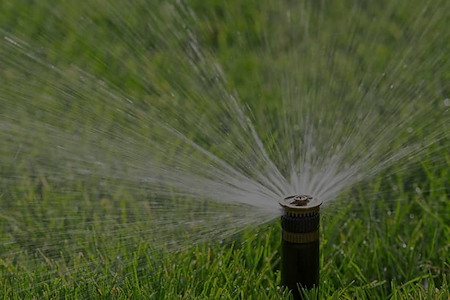
Fresh sod looks great on day one, but the real win is deep roots that hold through heat, wind, and salt air. If your new lawn is part of a recent landscape installation, the first 6 to 8 weeks of watering will make the difference between patchy turf and a lawn that thrives.
Virginia Beach homeowners also deal with sandy, fast-draining soils. That means water moves through quickly and evaporates faster in summer breezes. The schedule below keeps moisture where roots are forming while avoiding soggy conditions that invite disease.
Why Sandy Soil Changes Your Sod Watering Game
Sandy soils common from Sandbridge to Great Neck have large pores. Water sinks in fast, so the surface dries quickly between cycles. That is good for oxygen at the root zone, but it also means short, more frequent cycles early on. Clay-based schedules from other regions do not work here.
Salt air, bright sun, and coastal winds increase evaporation. Inland pockets like Kempsville or Princess Anne may hold moisture a little longer than ocean-side neighborhoods, but the overall pattern is similar: frequent, shallow cycles first, then fewer, deeper cycles as roots grow.
Summer Watering Schedule for New Sod in Virginia Beach
Your technician should set the controller for cycle-and-soak in the first weeks. The goal is steady surface moisture without puddling. As roots anchor, shift toward fewer, deeper cycles that push water 4 to 6 inches down.
- Week 0 to 1: Multiple short cycles per day to keep seams and edges evenly moist. No standing water.
- Week 2 to 3: Reduce to once daily with split cycles in the early morning.
- Week 4 to 6: Water every 1 to 2 days, increasing runtime per zone so moisture reaches the growing root zone.
- After Week 6: Transition to an established-lawn schedule based on season, sun, and wind exposure.
Water early in the morning so blades dry after sunrise and soil has time to absorb moisture. Evening watering keeps leaves wet overnight and raises disease risk.
Local insight: Virginia Beach’s sandy soil absorbs water fast, but it won’t hold it long. Ask your irrigation pro to split longer run times into two or three short cycles per zone. This simple tweak lowers runoff and helps new roots chase moisture downward.
St. Augustine vs. Bermuda: What New Sod Needs On Coastal Lawns
Both grasses can handle heat, but they behave differently in our coastal environment.
- Bermuda: Fine to medium blades, spreads quickly, and tolerates heat and foot traffic. It prefers fewer, deeper cycles once established. In weeks 0 to 3, keep the surface evenly moist, then taper.
- St. Augustine: Coarser blades with thicker stolons, more sensitive to drought stress and shade. It often needs slightly more frequent cycles in early weeks on sandy soil. Watch for wilting between cycles during hot, breezy afternoons.
If your yard mixes sun and shade, your irrigation technician may separate those areas into different programs. Shaded St. Augustine near live oaks in Bayside will not need the same runtime as sunny Bermuda in Red Mill.
Preventing Sod Root Rot and Overwatering
Too much water can smother new roots. Sandy soil drains well, but repeated soaking without dry time can still create trouble. Aim for moist, not mushy.
Watch for these signs and call your pro if you notice them:
- Puddles or a spongy feel 4 to 6 hours after watering
- Musty odor, yellowing that spreads in irregular patches
- Blades pull up easily with brown, mushy roots
Let the top inch begin to dry between waterings by weeks 3 to 4. This invites roots to chase deeper moisture and reduces disease pressure. When in doubt, walk the lawn and check several spots.
Sprinkler Calibration For Sandy Soil
New sod is sensitive to hot spots and overlap gaps. A professional calibration checks head-to-head coverage, nozzle size, and pressure so each zone applies water evenly. Your technician may perform a quick catch test to confirm inches per hour and match runtimes to the soil intake rate.
Uneven coverage is a common reason new sod struggles along sidewalks, driveways, and corners. If you see dry seams or over-saturated strips, ask about nozzle swaps or program changes on the controller. For system upgrades or scheduling help, see our lawn irrigation services.
Using Coastal-Friendly Fertilizer With New Sod
Organic fertilizers are popular in coastal Virginia because they release nutrients slowly and pair well with sandy soils. Your installer may recommend a starter formulation at the right time for your grass type. Keep fertilizer and irrigation in sync so nutrients reach roots without leaching past them.
Following application guidance and proper watering helps protect local waterways. Avoid watering late evening right after feeding, and keep any product off hard surfaces to prevent runoff during summer storms.
Microclimates Across Virginia Beach
Neighborhoods near open water and ocean breezes, like Sandbridge or Great Neck, often run slightly cooler and drier on the surface than inland spots such as Kempsville and Princess Anne. Shallow water tables in parts of Little Neck or Oceana can also influence how long soil stays moist after rain.
Tell your technician about wind exposure, shade lines, and any low spots that hold water after storms. These details help fine-tune runtimes so your schedule fits your yard, not just the zip code.
Working With Local Guidelines
Seasonal watering guidance may vary by neighborhood or HOA. Check current city or neighborhood recommendations before changing schedules, especially during peak summer. If you are unsure, your installer can review your controller settings during service visits.
From Summer To Fall: Tuning And Winterizing
As nights cool and days shorten, most Virginia Beach lawns can reduce frequency and keep slightly longer runtimes to maintain depth. Your backflow device and exposed components need care before cold snaps. The team at Winesett Nursery and Landscaping follows a month-by-month plan for start-up and shut-down in Hampton Roads, and the same mindset applies to late-season tuning for new sod.
When you plan your fall checklist, remember to book winterization in advance. That protects valves, lines, and the backflow assembly and makes spring start-up smoother. If you want a deeper dive on seasonal timing, browse our care articles, including a guide on new sod basics like this one: how to care for new sod.
When New Sod Is Part Of A Bigger Project
Many homeowners add beds, lighting, or pavers along with the new lawn. Coordinating irrigation with the full design helps keep everything healthy without wasted water. If you are planning updates, talk with our team during landscape installation so zones, nozzles, and plant choices all work together from day one.
Simple Ways Pros Protect New Sod
These are small checks your crew handles during visits that make a big difference for sandy soil lawns:
- Confirm early-morning watering windows and cycle-and-soak programming
- Verify head-to-head coverage on edges and corners
- Adjust runtimes in sunny vs shaded zones as roots deepen
- Monitor for disease pressure after heavy rain or heat spikes
Raise mower height while the lawn establishes and keep blades sharp. Taller blades shade the soil, reduce evaporation, and help roots settle in.
Your Next Step To A Resilient Coastal Lawn
If you want professional help dialing in runtimes, balancing coverage, and syncing fertilizer with watering, start here. Learn how our team plans and installs turf, beds, drainage, and irrigation that work as one system by visiting landscape installation. For an overview of services or to explore galleries and tips, begin at watering new sod in Virginia Beach.
Have questions about your new sod in Kempsville, Great Neck, or Sandbridge? Call 757-586-4751 to speak with Winesett Nursery and Landscaping and schedule a visit. We are ready to help your lawn put down roots that last through Virginia Beach summers.
Increase Your Home's Value With Our Landscaping Professionalsin the Virginia Beach & Chesapeake Areas