Low-Voltage LED Landscape Lighting Guide for Virginia Homeowners: LED Landscape Lighting Virginia
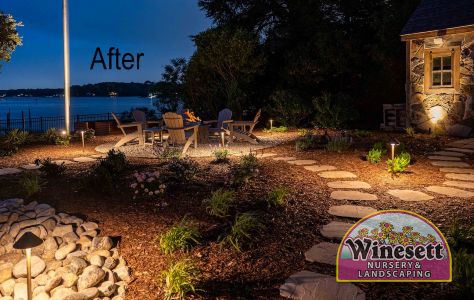
When the sun drops behind the pines, the right lighting makes your home feel welcoming and secure. This guide explains how low-voltage LED landscape lighting Virginia homeowners rely on can reduce energy use, hold up to salty coastal air and winter freeze-thaw cycles, and safely show off the best parts of your yard. If you are planning a new system or upgrading halogen fixtures, see how a pro approach creates consistent results that look great year-round. For examples and installation details, explore our landscape lighting service offered by Winesett Nursery and Landscaping.
Why Low-Voltage LED Wins In Virginia Climates
Virginia yards see humid summers, nor’easter rains, and chilly snaps that cycle above and below freezing. LED fixtures are built for this kind of swing. They are solid-state, so there is no fragile filament to pop when temperatures shift or when moisture sneaks into a housing. That means fewer outages and steadier performance on breezy coastal nights in Virginia Beach, Chesapeake, and Norfolk.
LED systems typically use 75 to 85 percent less electricity than comparable halogen setups. With similar brightness, LEDs sip power while halogens waste energy as heat. Lower wattage also makes low-voltage systems safer around planting beds and hard-to-see corners where kids and pets roam. Less heat helps fixtures, seals, and mulch stay cooler, which is better for plants and finishes.
Because LEDs last much longer, you also cut down on ladder time and bulb swaps after storms. Many pro-grade fixtures are field-serviceable, so the light engine or lens can be replaced without digging up the whole run. That keeps your system tidy and dependable through busy seasons and holiday gatherings.
Design Moves That Make Your Yard Safer And Stunning At Night
Great outdoor lighting balances safety with beauty. A thoughtful plan reduces tripping hazards, calms dark pockets, and adds that magazine-cover glow people notice from the street. Here are proven moves that work well in neighborhoods from Great Neck to Sandbridge:
- Walkways and steps: Use shielded path lights set back from the edge so the light falls across pavers without glare. Stagger placements to avoid a runway look.
- Hardscaping: Graze stone walls and textured brick to pull out shadows and detail. Even low retaining walls come alive with soft, close-in light.
- Tree canopies: Uplight mature oaks, crepe myrtles, and loblolly pines with narrow beams for height, or wider beams for full canopies. Aim to hide fixtures from direct view.
- Focal moments: Cross-light a sculpture or fountain with two softer beams to reduce harsh shadows and hot spots.
Spacing, beam spread, and aiming matter more than fixture count. A few correctly placed LEDs can do the work of many poorly placed ones. Your designer will look at textures, leaf color, and how you move through the space so paths feel secure, patios feel social, and the front entry feels warm when you pull into the driveway after sunset.
Transformer Sizing And Voltage Drop In Real-World Yards
Low-voltage systems step household power down to about 12 volts. Picking the right transformer keeps lights consistent from the first fixture to the last. Start by totaling the wattage of all planned fixtures, then add headroom so the transformer is not running near maximum on summer nights. Most pro plans leave a comfortable margin to support future fixtures along a new path or garden bed.
Wire length and cable gauge also affect how bright fixtures appear at the end of a run. Long, skinny runs can lose voltage. A designer can break the layout into several balanced runs and, when needed, use a multi-tap transformer to fine-tune output. That keeps color and brightness even across the front walk, driveway borders, and backyard seating areas.
Leave transformer sizing and wiring to a licensed pro for safety. The goal is a clean look with steady, flicker-free light that won’t fade as you add seasonal décor or expand your landscape plan.
Choosing Color Temperature: 2700K vs 3000K
Color temperature shapes mood. Both 2700K and 3000K look natural outside, but they tell different stories.
2700K reads warm and inviting; 3000K looks clean and crisp. Many Virginia Beach homes favor 2700K on brick, stone, and plantings for a candlelit feel that flatters skin tones during gatherings. Use 3000K when you want extra clarity on light-colored stone, modern architecture, or water features where a touch of brightness helps details pop. For consistency, keep the same color temperature within each scene, like the front façade, and avoid mixing tones side by side on the same surface.
Look for a high color rendering index (CRI), ideally 80 or higher, so greens feel lush and wood tones look true. This small choice makes a big difference when showcasing mature magnolias or the grain of a cedar pergola.
Coastal winds and sudden storms can shift fixtures and bury path lights under mulch. After major weather, a quick pro check keeps beams aimed correctly and wires protected. It is a small step that preserves nighttime safety and your curb appeal.
Waterproofing, Materials, And Coastal Durability
Lighting has to survive salt air, puddles, and sprinklers. The best systems are sealed against moisture and built from metals that resist corrosion. Brass and marine-grade finishes age gracefully near the ocean, while composite stakes and gaskets keep water out at ground level. Lenses should be thick and easy to clean after pollen season.
Always protect connections with heat-shrink and gel to keep water out. Cheap twist connectors invite corrosion, dimming, and nuisance outages. Pro-grade, gel-filled splices and tight strain reliefs help fixtures ride through freeze-thaw cycles without loosening. Mount transformers where they have airflow, away from downspouts and direct sprinkler spray.
- Choose durable fixture bodies like cast brass or high-grade aluminum with quality powder coat.
- Use shielded path lights to control glare and protect bulbs from debris and foot traffic.
- Plan gentle wire paths that avoid root balls and areas prone to standing water.
If you live close to the bay or oceanfront, mention that to your designer so hardware and fasteners match the exposure. The right materials up front save repeat service calls later and keep light levels stable through humid summers and cold snaps.
Local Design Examples That Work In Hampton Roads
Front entries in Hilltop or Kempsville often shine with soft wall grazing and a pair of path lights leading to the stoop. Backyard decks in Great Neck benefit from subtle step lighting and a gentle moonlight effect from higher mounting points in nearby trees. In Sandbridge, uplighting a few specimen trees and washing a fence line can frame the sunset views without glare. Each of these looks relies on a balanced transformer plan and sealed connections made for coastal weather.
For deeper inspiration or to talk through fixture styles, you can review how Winesett Nursery and Landscaping approaches layouts and fixture placement inside professional landscape lighting in virginia beach before you walk the yard with a designer.
How A Pro Plan Saves Energy Night After Night
Design and hardware choices pay off on the utility bill. Right-sized transformers, efficient wire routing, and modern LED drivers keep brightness steady with less power. Timers and photocells hand off control so lights come on at dusk and shut down when you choose. If you prefer zones, your designer can group path lights, trees, and architectural accents so each area runs only as long as it needs.
For a quick overview of landscape lighting options and to connect with a team that knows our seasons, start at led landscape lighting virginia and explore project ideas that match your home’s style.
Maintenance That Protects Your Investment
LEDs run for years, but the outdoors is always changing. Mulch gets refreshed, hedges grow, and storms pass through. A simple pro tune-up checks aiming, cleans lenses, and confirms connections are tight after a wet spell or freeze. That keeps walkways bright, avoids glare into the street, and maintains that smooth, even look across your façade.
Routine service also catches small issues before they become big ones. A slightly tilted fixture can create harsh shadows on steps. A nicked wire can invite corrosion. Addressing these early keeps the whole system looking coordinated instead of patched together.
Bring Your Property To Life After Dark
If you are ready for safer steps, a warmer welcome, and a backyard that works later into the evening, Winesett Nursery and Landscaping can help design and install a system that fits your home and our weather. Call us at 757-586-4751 to schedule a site walk and lighting conversation. To see service details and schedule availability, visit our landscape lighting service and start planning your next night outside.