Fixing Standing Water: French Drains vs. Sump Pumps for Chesapeake Yards
If your lawn turns into a swamp after a nor’easter or a summer cloudburst, you are not alone. Many Chesapeake neighborhoods like Great Bridge, Greenbrier, and Deep Creek sit on flat ground with a high water table. That mix traps water near the surface and around foundations. Here is a clear way to compare French drains and sump pumps so you can choose the right fix for your property and protect your home from **hydrostatic pressure**. For site-built solutions that match local soil and code needs, explore our drainage systems.
Why Standing Water Sticks Around In Chesapeake
Coastal storms drop a lot of rain fast. In Grassfield and Western Branch, clay pockets slow infiltration, while yards closer to waterways can sit just above the water table. When soil is saturated, water looks for any low point: along fence lines, in shaded corners, and worst of all beside your foundation. That is when lawns die back, mosquitoes explode, and crawl spaces start to smell musty.
French Drains: How They Help Chesapeake Drainage
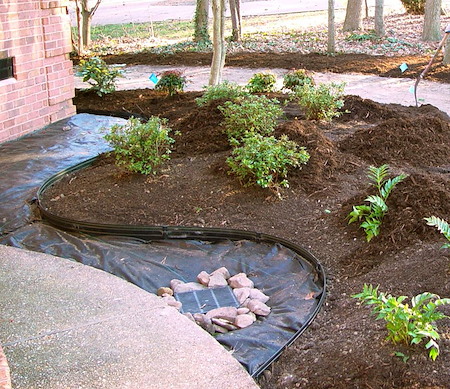
A French drain is a gravel-filled trench with a perforated pipe that collects groundwater and redirects it to a safe discharge point. In Chesapeake, this tool shines when your yard has persistent soggy zones but no deeper basement water pressure to manage. Installed correctly with filter fabric and the right stone, it lowers the water level in the soil so turf and beds can breathe again.
- Best for surface and near-surface seepage that lingers after storms
- Ideal along slopes, fence lines, and the “toe” of raised beds and patios
- Works with grading to steer water away from your foundation
Choice of materials matters. Local crews often favor washed, angular gravel instead of pea gravel because it resists compaction and keeps water moving. The outlet is critical too. Where slopes allow, daylighting the line at a proper location is preferred. Where grades are flat, a designed outlet or pump assist may be required to stay within local discharge rules.
Sump Pumps: When They Make The Most Sense
A sump pump sits in a basin and pushes water out through a discharge line to a proper outlet. It is the go-to choice when groundwater builds up against a foundation, crawl space, or below-grade room. If water enters during high tides or after multi-day rain, the pump creates a pressure release and keeps the area dry.
- Best for active foundation or crawl space water pressure
- Useful on flat lots where gravity drainage is limited
- Pairs well with interior or exterior foundation drains
Because storms can cause power outages, consider a reliable backup for your sump pump so rain events do not overwhelm your system. Discharge lines need to be sized and routed correctly to reduce icing, erosion, and blowback toward the home.
French Drains vs. Sump Pumps: Side‑By‑Side Comparison
Both options move water away from structures, but they solve different problems. Think of a French drain as lowering the water in your soil and a sump pump as pushing water out when gravity cannot help.
French drains are better when lawn areas puddle and stay wet for days, roots suffer, and mulch floats after every storm. Sump pumps are better when you see damp crawl space walls, standing water inside a foundation pit, or steady seepage where the lawn meets the sill plate. In older parts of Chesapeake with mature trees and compacted subsoils, many homes benefit from both.
What About Grading And Downspouts?
Before committing to any system, a professional looks at roof runoff, slope, and soil. Rebuilding swales and reworking downspout paths can cut how much water your property needs to handle. In Virginia Beach and Chesapeake, small grade corrections often make a French drain or pump more effective. If you are planning other upgrades, aligning hardscape layout with drainage pays off. For watering efficiency that avoids adding to soggy spots, see our irrigation start‑up and winterization calendar for hampton roads.
How We Choose The Right System For Your Yard
Every site is different. At Winesett Nursery and Landscaping, we start with a simple evaluation: where water comes from, where it collects, and where it can go safely. Soil checks, elevation readings, and outlet options guide the plan. We design to protect foundations first, then restore healthy soil conditions across the lawn and beds. When you want a quick overview of options and a straight answer on what will actually work, start with chesapeake drainage solutions from a local team that knows our weather and soils.
French Drain Details That Matter In Hampton Roads
The quality of a French drain is in the details you do not see. Fabric and stone wrap the perforated pipe to keep silt out. Joints are oriented to encourage flow, and cleanouts make service simple. Discharge points are placed to reduce erosion and respect neighbors. When patios or walkways are nearby, a collector drain behind the edge keeps heavy rain from undercutting the base. If you are mapping a new outdoor space, coordinating with landscape design avoids future conflicts and keeps water moving where it should.
Sump Pump System Essentials For Chesapeake Homes
We size pumps and basins for storm intensity and run length. The discharge line is routed to a compliant outlet, with checks to stop backflow. Where lines cross sidewalks or beds, we protect them for long-term reliability. In crawl spaces, vapor and drain layers work together, and exterior work relieves pressure outside first when possible. For high water tables after prolonged rain, pairing a collector drain with a pump lets the drain do most of the work while the pump handles spikes.
Which One Should You Choose?
If water shows up in your crawl space or inside a foundation trench, a sump pump is usually step one. If the lawn squishes underfoot days after a storm or mulch washes into the street, a French drain with grading corrections often solves it. If your yard is flat and soils stay saturated, a hybrid system that collects with a French drain and lifts with a pump is often the winning plan. The right answer balances soil, slope, outlet choices, and your long-term maintenance comfort.
Signals You Need Professional Drainage Help
- Water pooling at the base of walls or piers after ordinary rains
- Soft, mossy turf in shaded areas that never fully dries
- Efflorescence or musty odors in crawl spaces
- Mulch trails and small gullies after storms
- Patio or walkway edges settling from repeated washouts
If you recognize two or more of these, schedule a site visit. A trained eye can separate symptoms from causes and recommend a plan that fits your property, season, and soil.
Heavy Rain Strategy For Chesapeake And Virginia Beach
Our weather whipsaws between dry spells and intense rain. That is why a complete plan links collection, conveyance, and discharge. Roof water should exit away from beds. Surface grading should carry sheet flow to swales. Subsurface drains should intercept seepage before it reaches footers. When grades are tight, pumps offer safe lift. The goal is simple: keep water moving off the structure and through your yard without pooling or erosion. For healthy turf once water management is set, smart watering helps. Review our local lawn irrigation guidance and align runtimes with soil type.
Common Mistakes To Avoid
Do not assume one fix works everywhere. A French drain without a good outlet or a pump without a clear discharge path only moves the problem. Avoid discharging water where it can return to your home or cause erosion. And remember that outlet placement and routing must respect local guidelines. A brief professional design phase prevents rework and frustration later.
Ready To Stop The Swamp?
You deserve a dry, usable yard and a safe foundation. Our team designs and installs systems that fit Chesapeake soils and neighborhood layouts, from Greenbrier cul‑de‑sacs to acreage in Hickory. If you want a plan that puts your foundation first and restores lawn health, let us help. Learn more about our approach to drainage systems, then talk with Winesett Nursery and Landscaping at 757-586-4751 to schedule a visit.