Best Plants for Virginia Beach Landscapes
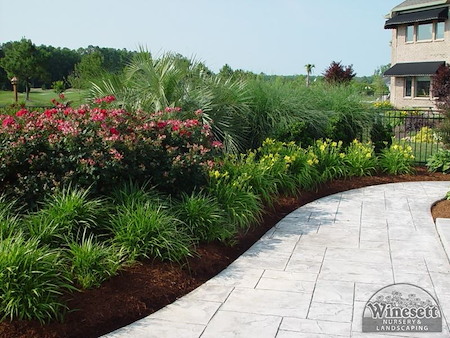
Designing a yard that looks great year-round in our coastal climate starts with plants that actually thrive here. From ocean breeze and salt spray to sandy soils and summer humidity, Virginia Beach brings real challenges. The right choices mean less worry, stronger roots, and a landscape that keeps its color through busy seasons from Sandbridge to Great Neck. If you want a tailored plan that fits your home and microclimate, our landscape design team can build a custom palette for you.
Why Plant Choice Matters in Coastal Virginia Beach
Homes near the oceanfront and along the Lynnhaven see more wind and salt. Inland areas like Kempsville and Little Neck can hold water after summer downpours. A reliable plant list accounts for each of these.
- salt exposure and wind near the coast
- sandy or compacted soils that drain fast or stay soggy
- full-sun heat vs. filtered shade under live oaks and pines
- year-round interest so the yard looks finished in every season
Bottom line: the closer you are to the ocean, the more you should favor salt-tolerant species and sturdy, wind-ready structure.
Sun, Salt, and Storms: Plants That Stand Up on the Coast
Tough Shrubs for Wind and Salt
For neighborhoods that catch sea breeze, durable evergreens and adaptable natives hold up best. Wax myrtle and yaupon holly settle into sandy soils and keep a neat look with light shaping. Virginia sweetspire brings white blooms in early summer and rich fall color without fuss. Where you want something low and tidy near driveways or walkways, dwarf yaupon varieties stay compact and clean.
Grasses and Groundcovers That Anchor Sand
Ornamental grasses add movement and handle beach weather well. Switchgrass offers vertical lines and winter texture. Pink muhly shows soft color in fall and is a favorite for simple, modern borders. For a hugging edge along paths or at the top of seawalls, blue rug juniper creeps low and helps hold light, sandy soils in place.
Trees That Love the Breeze
Live oak is a coastal staple that matures into a strong, spreading canopy. Serviceberry fits smaller lots, bringing a spring bloom, summer berries for wildlife, and glowing fall leaves. Eastern redcedar can handle wind and sandy ground while creating fast evergreen structure along property lines.
Local insight: within a mile or two of the oceanfront, salt spray can burn tender leaves after thunderstorms or windy weekends. Choose salt-smart plants for these spots and place more delicate bloomers on the protected side of the home to keep them looking their best.
Native Favorites for Neighborhood Yards
Inland lots across Red Mill, Little Neck, and Kempsville see less salt and a bit more soil depth. That opens the door for colorful natives that still shrug off heat and humidity. Inkberry holly gives a clean evergreen backdrop. Beautyberry adds bright purple fall berries that pop against fences. Black-eyed Susan and coneflower carry summer color and invite pollinators without constant attention. If you enjoy perennials that return each year, see ideas for stronger bloom with our quick read on flowering perennials.
Shade Under Live Oaks or Pines
Plenty of Virginia Beach yards have dappled shade from mature trees. In those beds, oakleaf hydrangea provides bold leaves and cone-shaped flowers that age to pink. For a textured green floor that looks tidy in winter, native christmas fern holds up in dry shade. If you want spring sparkle, woodland phlox offers soft color without turning messy as the season warms.
Helpful tip: under big trees, pick plants that accept dry shade and keep a consistent look even when summer heat builds, so your beds stay calm and finished from driveway to porch.
Rain-Ready Choices for Low Spots
Flat ground and a high water table can leave puddles after nor’easters or heavy summer storms. Plants that tolerate occasional wet feet keep those areas healthy and attractive. Sweetspire and inkberry handle swings from wet to dry. River birch adds shade quickly and loves damp soil near the back of lots. Switchgrass and blue flag iris bring texture and color at the front edge of a rain-ready bed. If standing water is a regular headache, pair smart plant selection with proven drainage systems to protect turf and hardscapes nearby.
Evergreen Screening That Handles Wind
For privacy on breezy corners, yaupon holly and wax myrtle are reliable, with forms that range from natural to neatly clipped. Eastern redcedar creates a wind-tough backdrop for patios and side yards. In deeper inland zones, American holly varieties offer a classic look with year-round cover.
Seasonal Color Without the Fuss
You can have a bright yard without high care. Coreopsis and goldenrod light up late summer and draw butterflies. Coneflower mixes well with pink muhly and delivers sturdy stems that look good into fall. Beautyberry’s fruit shows strong color right when patio season shifts to sweaters and fire pits.
- for sunny borders: coneflower, coreopsis, and pink muhly
- for part shade: oakleaf hydrangea, woodland phlox, and christmas fern
Smart move: repeat a few dependable plants across the front and back so your landscape reads as one design, not a patchwork.
Plant Picks by Microclimate Around Town
Every yard tells a slightly different story. In Sandbridge and along the oceanfront, favor salt-tolerant evergreens and grasses that keep their shape in wind. In Great Neck and along the Lynnhaven, mix salt-smart shrubs with flowering natives for a softer look. West toward Pungo, combine structure from live oaks with sunny meadows that glow in late summer. If you want to see how these choices come together, browse ideas and projects on best plants for virginia beach landscapes and imagine how they would fit your lot, sunlight, and style.
Design Details That Make Plants Last Longer
Strong plant lists are only part of the story. Bed shapes that match your home’s architecture keep things neat and easy to maintain. Grouping plants in threes and fives looks full faster and reduces open mulch that invites weeds. Tucking tougher evergreens on the windward side protects showy bloomers just enough that they can shine all season.
A quick caution: avoid placing salt-sensitive bloomers where sprinklers or storm gusts throw salty mist. Keep them on the protected side of the house or behind wind-tolerant shrubs for longer-lasting color.
What We Recommend for Common Goals
If you want a coastal look that stands up to weekend weather, combine switchgrass, pink muhly, and compact yaupon for movement and structure. For a family yard in Kempsville with afternoon shade, layer oakleaf hydrangea behind coneflower and coreopsis for long bloom and simple care. On narrow side yards where privacy matters, a clean row of yaupon or redcedar makes a calm green wall that looks tidy from driveway to deck.
How Winesett Nursery and Landscaping Builds Your Plant List
Our designers listen first. We look at sun patterns, exposure to wind, and how water moves across your property. Then we match proven trees, shrubs, grasses, and flowers to those conditions so the landscape looks finished from day one and matures the right way. You get a plan that balances color, privacy, and durability so weekends feel easy and inviting.
When you are ready to shape that plan, our landscape design process aligns plant selection with patios, lighting, and edges, so the whole yard works together. For added ideas on timing and aftercare, our team can point you to seasonal articles like irrigation calendars and sod care when the project calls for it.
Frequently Asked Questions
Virginia Beach's coastal climate favors plants that can tolerate heat, humidity, occasional salt spray, and a mix of sandy and clay soils. Popular choices include live oak, yaupon holly, wax myrtle, inkberry holly, eastern redcedar, oakleaf hydrangea, coneflower, coreopsis, switchgrass, and pink muhly grass. Selecting plants that match your property's sun exposure, drainage, and proximity to the coast will help create a healthier, lower-maintenance landscape that looks beautiful throughout the year.
Native plants are well adapted to Virginia Beach's growing conditions, making them an excellent choice for long-lasting landscapes with lower maintenance requirements. Favorites include wax myrtle, Virginia sweetspire, inkberry holly, beautyberry, oakleaf hydrangea, eastern redcedar, black-eyed Susan, coneflower, and switchgrass. These plants provide seasonal color, support local pollinators and wildlife, and generally require less water and care once established.