Best Paver Materials for Virginia Beach Patios: Salt-Resistant & Cool-Touch Options
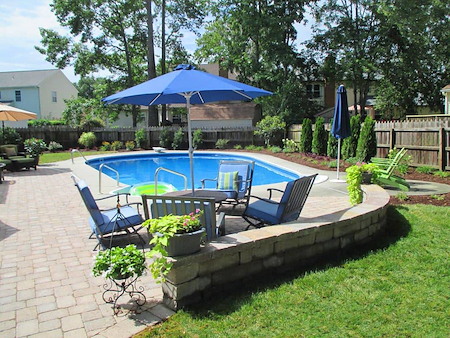
Sun, salt air, and summer storms shape how patios perform in Virginia Beach. If you are planning new pavers & patios, the right material choice will keep the surface cool under bare feet, steady in salt spray, and beautiful through busy seasons from Sandbridge to Great Neck. See how our team approaches materials and layout on paver patios in Virginia Beach to help you enjoy an outdoor space that lasts.
Virginia Beach Paver Patios: What Works Best Near Salt Air
Life by the ocean is good, but salt crystals can be tough on porous surfaces. Concrete pavers with dense mixes and quality sealants hold up well. Travertine has a natural resistance many pool owners love, especially in tumbled finishes. Porcelain pavers are extremely dense and shrug off salt, sand, and spills. Light colors across all three options help manage heat on full-sun decks from the North End to Red Mill.
Humidity and wind-driven rain are part of life here. The right base and joint system matter as much as the paver itself. Open-graded bases and polymeric joint sand can improve stability and help with drying after a squall line rolls in from the Bay.
Top Salt-Resistant Paver Materials
Travertine
Travertine’s tight grain and soft, lived-in texture make it a coastal favorite. In Virginia Beach, homeowners often choose ivory or shell tones for a cooler surface around pools. A tumbled finish softens corners and improves traction. Maintain it with a breathable, UV-resistant sealant so the stone can vent moisture while resisting stains from salt and sunscreen.
High-Density Concrete Pavers
Today’s concrete pavers come in blends that resist salt and abrasion. Look for lighter blends in buff, cream, or silver to keep foot temps down in places like Chic’s Beach. Textured faces and micro-chamfered edges reduce slipping and chipping. With the right sealer, color stays rich under our long summer sun.
Porcelain Pavers
Porcelain is ultra dense and easy to clean after cookouts or storm debris. It pairs well with modern homes in Hilltop and Little Neck. Go with matte or lightly textured finishes for grip near water. Because pieces are consistent, layouts stay crisp and joints tight, which helps block wind-blown sand.
Permeable Paver Systems
Permeable pavers look like classic stone but sit over a layered, open-graded base. This allows water to filter down instead of running across your patio during pop-up downpours. In the Tidewater region’s flat, sandy soils, this design helps manage puddling and keeps patios cleaner after a summer storm.
Cool-Touch Surfaces for Barefoot Comfort
Patios in Kempsville and the North End see full sun for hours. Dark surfaces soak up heat and can get uncomfortable. Choose lighter tones and textures that scatter sunlight. Travertine and select light concrete blends tend to stay more comfortable than dark, smooth finishes on peak July afternoons.
- Pick light, reflective colors like ivory, cream, or pale gray to reduce surface temperature.
- Prefer textured or tumbled finishes for grip and a cooler feel under bare feet.
- Use wider joints with polymeric sand to break up heat across the surface.
Skip very dark pavers in full-sun pool decks if you want midday comfort without sandals. For shade-heavy yards, tone can be a style choice first and a heat choice second.
Safety Around Pools and Walkways
Pool decks in neighborhoods like Red Mill and Sandbridge need more than style. Traction, edge transitions, and glare control keep people safe when water is on the surface. Matte porcelain, tumbled travertine, and textured concrete blends are reliable choices. Joint sand that locks in place helps reduce surface grit and lowers the risk of slips.
Lighting and layout matter too. Gentle curves around steps and hand-friendly coping stones keep traffic flowing when guests move from water to seating. Choose non-slip textures near any splash zone so the space feels secure for all ages.
Local insight: Coastal winds can push fine salt onto patios even a few miles inland. Rinse surfaces after beach days and ask for a UV-resistant, breathable sealer to protect the color while allowing moisture to escape.
Permeable Pavers and Tidewater Drainage
Flat lots and high water tables are common from Pungo to Little Neck. When heavy rain meets compacted soil, water looks for the lowest point. Permeable paver patios spread and filter that water through graded stone layers. This helps reduce pooling along foundations and keeps furniture out of standing water after a storm cell passes.
Consider permeable pavers where runoff collects or where your lawn stays soggy after rain. The look can match traditional or modern spaces while quietly improving how your yard handles weather.
Raised Patios for Low-Lying Yards
Many Virginia Beach backyards drop toward marsh or canal edges. A raised patio can create a level, usable outdoor room above damp turf. Built with the right retaining elements, drainage outlets, and compacted base, the surface stays firm and furniture-ready. This is a smart choice for canal-side homes or yards that stay wet after king tides.
Think of it like a stage for outdoor living. A couple of steps up, a low seat wall, and space for a grill can turn a tricky yard into a daily retreat. If you are comparing layouts, browse our approach to planning and layout on our paver patio service page to see how structure supports comfort.
Hardscaping Design Details That Boost Longevity
Small choices add years to your patio. Curved borders help disperse movement in sandy soils. Soldier-course edges with proper restraints keep patterns locked tight. Thoughtful color blends hide the fine sand and pine pollen common in spring, so the patio looks fresh longer between rinses.
Joint choice and sealing are key. A stabilized joint sand helps limit weed seeds that blow in from the Bay. Ask for UV-resistant hardscape sealants that withstand long summer days without yellowing. On lighter pavers, this helps preserve the cool-touch advantage by keeping the surface bright.
Maintenance and UV-Resistant Sealants
Most Virginia Beach patios need only routine rinsing and the occasional light wash after storms. A quality, breathable sealant supports stain resistance from sunscreen and grill spills. Travertine and concrete respond differently to sealers, so match the product to the stone. Porcelain usually needs less upkeep, though joints still benefit from protection.
Seal on a clean, dry surface and follow a maintenance cycle that fits your patio’s sun exposure. South-facing decks in neighborhoods like Great Neck or the North End may benefit from more frequent inspections due to higher UV exposure.
Looking for ideas and inspiration across styles and budgets? Explore Virginia Beach paver patios on the Winesett Nursery and Landscaping site to see what fits your home’s architecture and your weekend routine.
How to Choose the Right Material in 2026
Material science keeps improving, and 2026 brings more light, cool-touch colors, and durable textures than ever. Your best choice depends on sun exposure, proximity to salt spray, and how you plan to use the space. Families who cook out often may like porcelain for easy cleanup. Pool owners often lean toward tumbled travertine for grip and comfort. Entertainers who need large formats at a friendly price often select modern concrete blends.
- Prioritize traction and comfort where people walk barefoot or step from water to patio.
- Match paver density and surface finish to your sun exposure and proximity to salt spray.
- Plan drainage with permeable bases or channeling so storms do not interrupt your weekend.
- Coordinate paver color with siding, trim, and roof for a cohesive outdoor room.
If you are searching for “patio installers near me,” ask each team how they handle base prep in sandy soils, which sealants they specify, and how they design for salt, UV, and runoff. That single conversation reveals a lot about quality and how your patio will age from season to season.
Real-Life Scenarios Across Virginia Beach
North End cottages close to the ocean often favor light travertine or porcelain with matte finishes to balance glare and heat. In Great Neck and Little Neck, shaded lots do well with blended concrete pavers that hide pine needles and oak leaves. Sandbridge homes see more direct salt and sun, so denser materials and regular rinsing pay off. Inland neighborhoods like Kempsville may focus more on stormwater handling after summer downpours, where permeable designs shine.
Outdoor living is part of the lifestyle here. From weeknight cornhole to long Saturday cookouts, your patio should support the way you relax. Materials that stay cool and resist salt mean fewer worries and more time outside.
Design Support From Start to Finish
Layout, pattern, and border choices fine-tune comfort and style. Herringbone and ashlar patterns resist movement in sandy soils and look timeless against coastal architecture. Wider, shaded seating zones create natural conversation spots, while stepping paths guide bare feet from the pool to the kitchen without hot patches. These decisions are best made with a designer who knows our local microclimates and how materials behave near the Bay.
Ready to Build Your Virginia Beach Patio?
Your yard deserves a patio that stays cool, handles salt, and looks great for years. Partner with Winesett Nursery and Landscaping for hardscaping design that fits our coastal climate and the way you live. To start the conversation, call 757-586-4751 or explore design and material options on our page for paver patios in Virginia Beach. We will plan the right base, materials, and sealants so your space is weekend-ready in every season.